



Thumbnail 1
previous arrow
next arrow
Thumbnail 1
Thumbnail 2
Thumbnail 3
Thumbnail 4
Thumbnail 5
previous arrow
next arrow

High-Purity Plumbing to Support Your Full System Build

Today’s semiconductor manufacturers and other high-purity facilities have significant high-purity plumbing and piping requirements in the fab and subfab, with cleanliness standards that far exceed conventional plumbing practices. Leveraging our extensive background in high-purity manufacturing and semiconductor-grade chemical handling, we deliver high-purity piping solutions that support complete, integrated system builds.

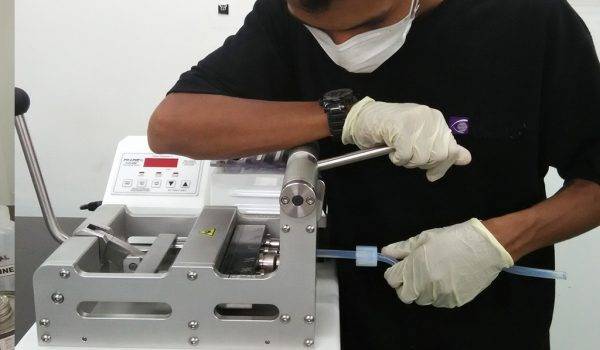
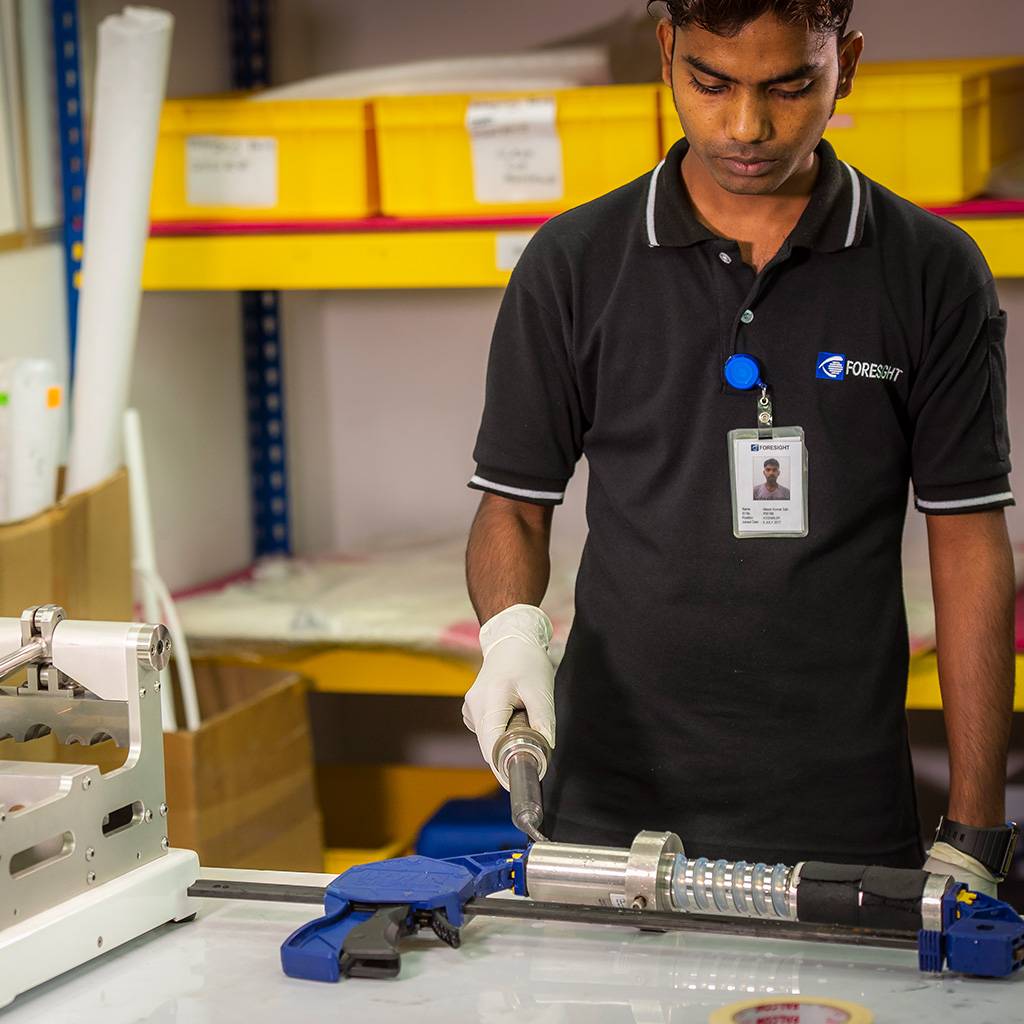
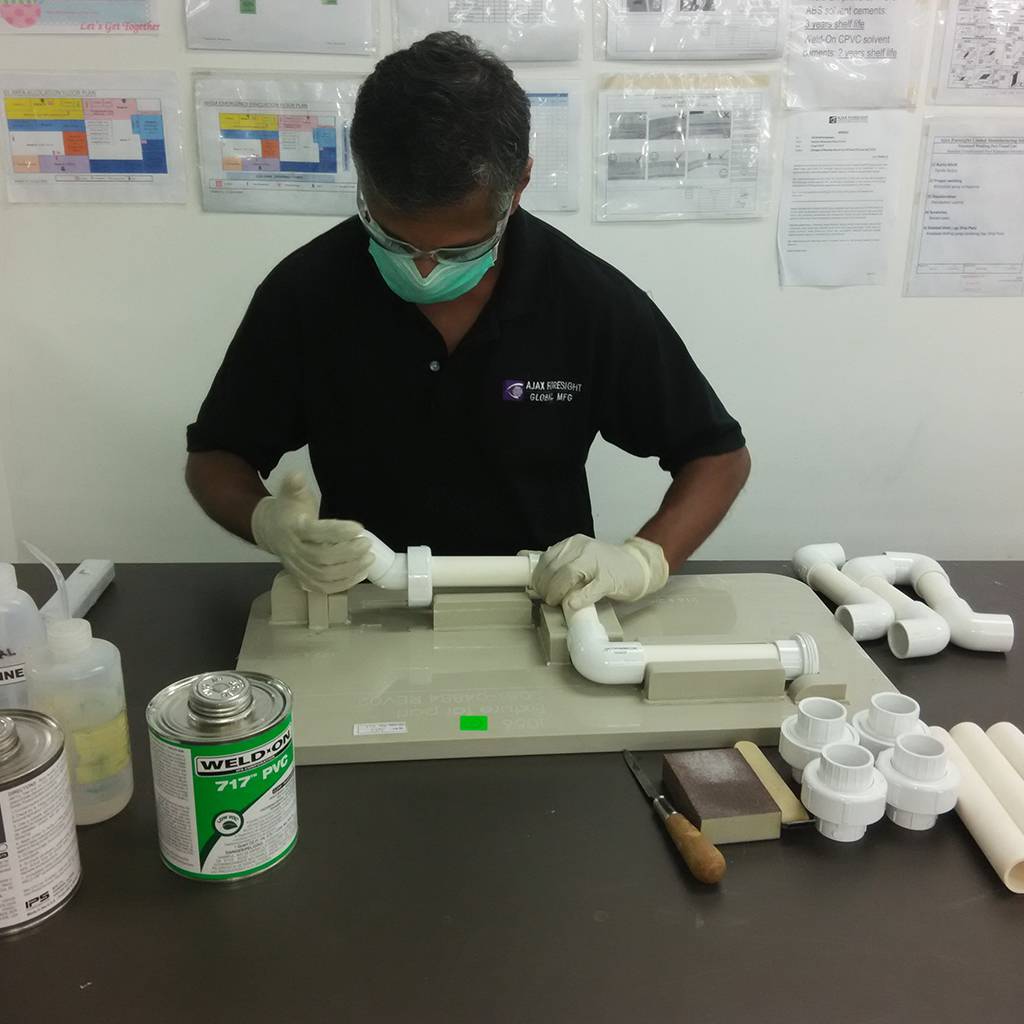
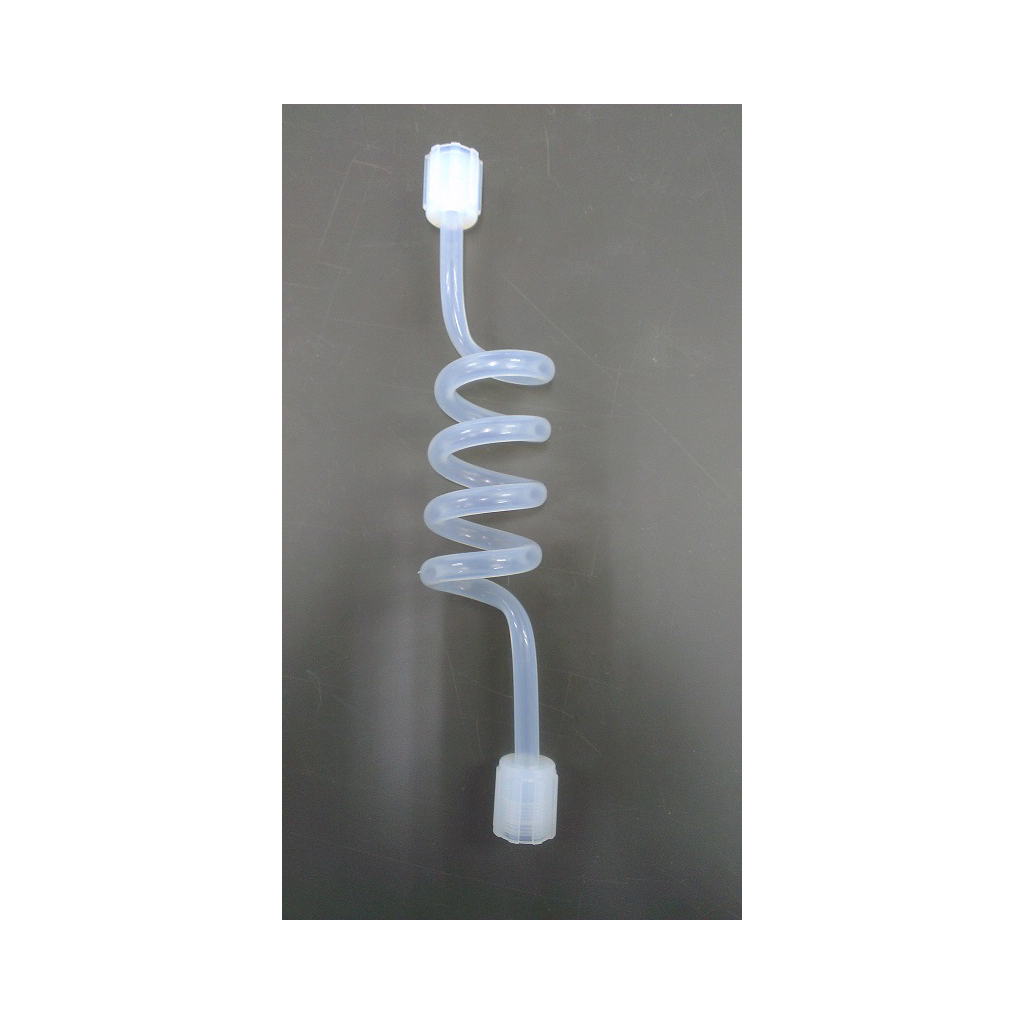
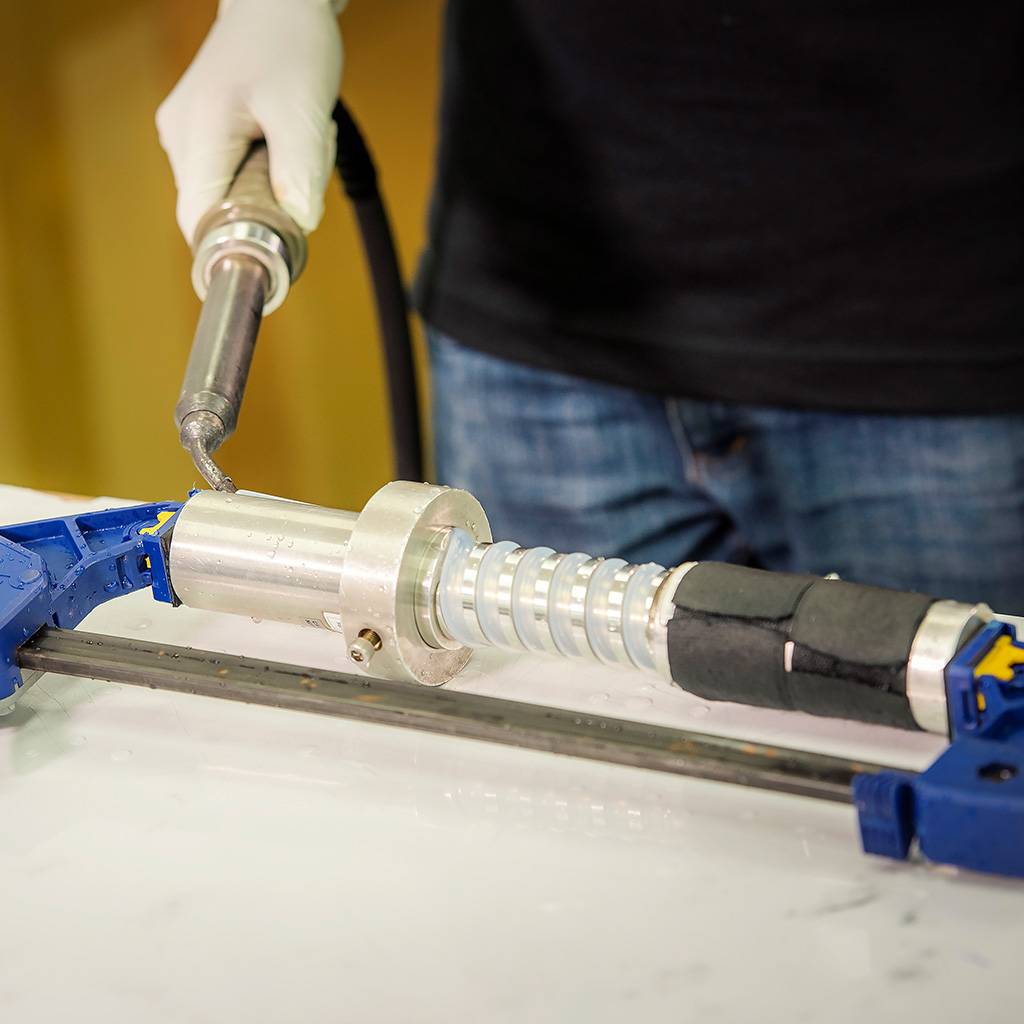
We specialize in PFA tubing for critical applications using flare fittings, Nippon Pillar fittings, automated fusion bonding machines by George Fisher and Kitz, and our proprietary design. For chemical piping and distribution, we also produce a wide range of polyethylene, rigid PP, and PVC plumbing components—including double-containment piping where added safety and leak prevention are required. Producing tubes in advance allows us to accelerate the assembly of your final products, from bulk chemical to slurry delivery and other high-purity utility runs.

Metal plumbing supports the distribution of a wide range of toxic and non-toxic gases in semiconductor environments, helping enable the precise processes used during chip fabrication. For projects requiring regulated installation, we can support C4-licensed piping scopes and coordinate materials and joining methods accordingly. Copper solder with a MAP-Pro torch or compression crimping utilizing an electric Pro-Press creates a strong, leak-proof joint. Steel variants—from high-purity stainless to carbon-hardened—are welded using automated orbital, metal-inert gas (MIG), and tungsten inert gas (TIG) welding equipment, integrating cleanly with chemical and high-purity slurry systems where applicable.

FAQs: High-Purity Plumbing, Piping, and System Design

A high-purity piping system is defined by its ability to maintain chemical cleanliness and process integrity throughout the entire distribution network. These systems are engineered to transport ultra-clean chemicals and gases under tightly controlled conditions. This includes:

  • Material selection such as PFAS, PVDF, or specialty polymers
  • Precision joining and finishing methods like fusion bonding and controlled surface finishes
  • System designs that eliminate dead legs, particle generation, and contamination risks

Performance is measured not just by materials, but by the consistency and control of the full system build.

Engineers should evaluate a partner’s experience with semiconductor-grade materials, their ability to support both plastic and metal distribution systems, and their expertise in fabrication methods such as automated fusion, flare fittings, and double containment design. Equally important is the ability to integrate pre-fabrication, assembly, and system-level design to reduce installation risk and improve overall system reliability.

Pre-fabrication allows critical piping assemblies to be produced in controlled environments, reducing variability during on-site installation. This approach improves consistency in weld quality, minimizes the risk of contamination, and accelerates final system build timelines. For semiconductor applications, where cleanliness and repeatability are critical, pre-fabrication is often a key factor in meeting performance requirements and construction schedule targets.

Double containment piping is used to provide an additional layer of safety when transporting hazardous or ultra-pure chemicals. It consists of a primary carrier pipe and an outer containment layer designed to capture leaks and prevent exposure. This is especially important in semiconductor facilities, where both safety and contamination control are critical to maintaining operational integrity.

Material selection directly affects chemical compatibility, leachables, particle generation, and long-term system stability. Fluoropolymers, such as PFA, are commonly used in ultra-pure chemical applications due to their inert properties, whereas polypropylene and PVC may be used in less critical systems. The right material depends on the application, chemical profile, and required purity levels.

Foresight supports high-purity plumbing and piping systems through a combination of material expertise, precision fabrication, and integrated assembly capabilities. By producing components such as PFA tubing, chemical distribution structures, and double containment systems in advance, Foresight helps accelerate final system integration while maintaining the cleanliness and quality standards required for semiconductor manufacturing environments.